Water · Fire · Mold · Rebuild
Damaged today. Restored for good.
Burst pipes, flooded basements, house fires, smoke and mold. Keystone Reconstruction handles the whole job, from the emergency cleanup to the insurance paperwork to the final coat of paint, for homes and businesses across Huntingdon County, Altoona and State College.
- Answered 24/7
- Water & fire damage
- Mold remediation
- Insurance claim help
- Day or nightDisasters don't keep business hours, so our phone doesn't either.
- Dry, not just moppedMoisture meters show when walls and floors are actually dry.
- Insurance claim helpPhotos, readings and itemized estimates your adjuster can use.
- Cleanup to rebuildOne company from the first call to the last coat of paint.
What we handle
Restoration services
Every job is a little different. Find the one that sounds like yours, or just call and tell us what you're looking at.
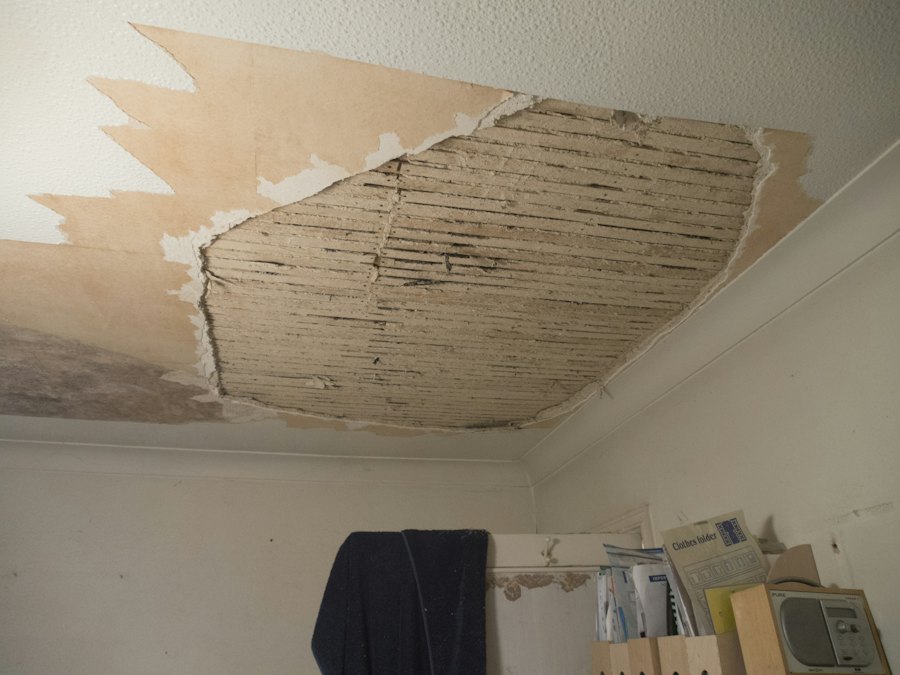
Water Damage Cleanup
A pipe let go, the water heater split or the ceiling is dripping. 24/7 emergency response and what to do in the first hour.
Emergency water damage →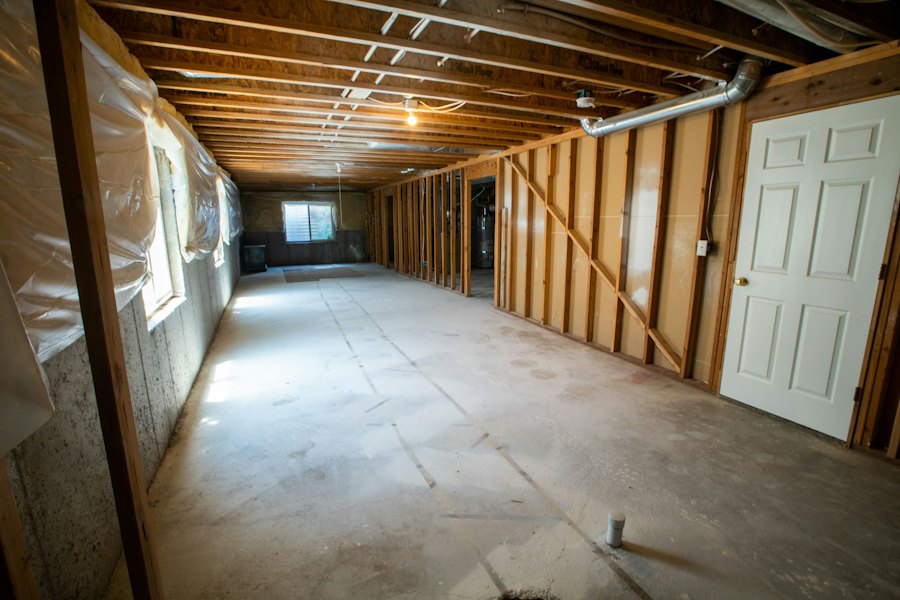
Water Extraction & Dry Outs
Pumps and extractors pull out the water, then air movers and dehumidifiers dry what's hiding in walls and floors.
Extraction & dry outs →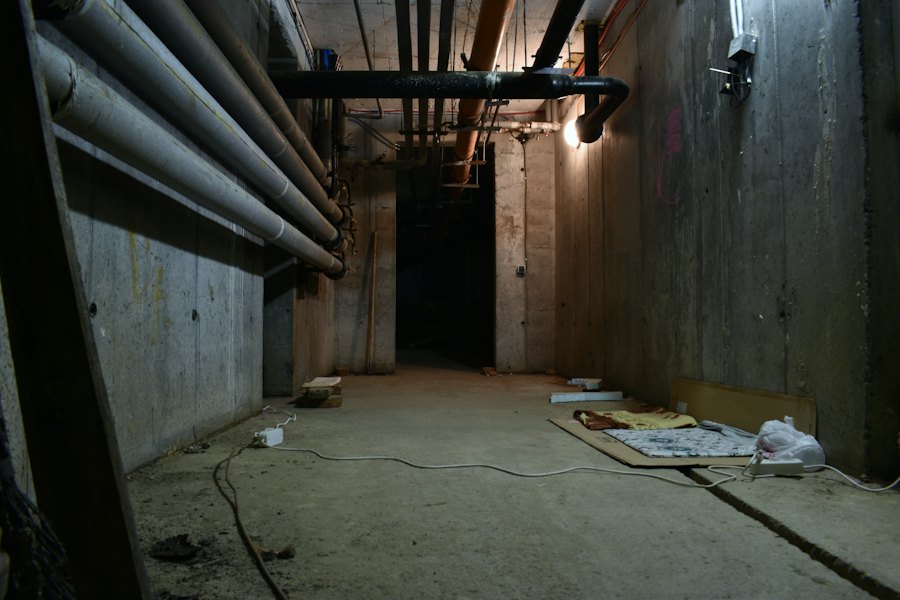
Flooded Basements
A dead sump pump, spring snowmelt or water seeping through an old stone foundation.
Basement flooding →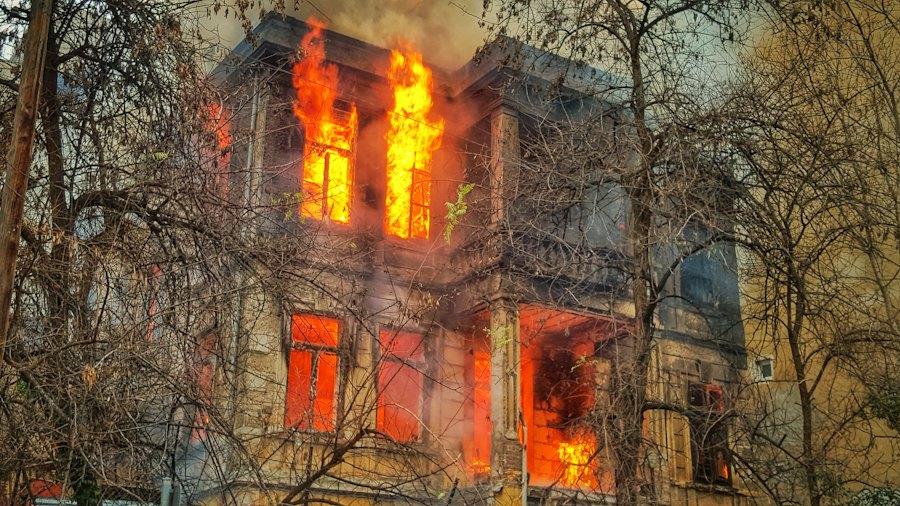
Fire Damage Restoration
Board-up, water from firefighting, debris removal, contents cleaning and the rebuild.
Fire damage →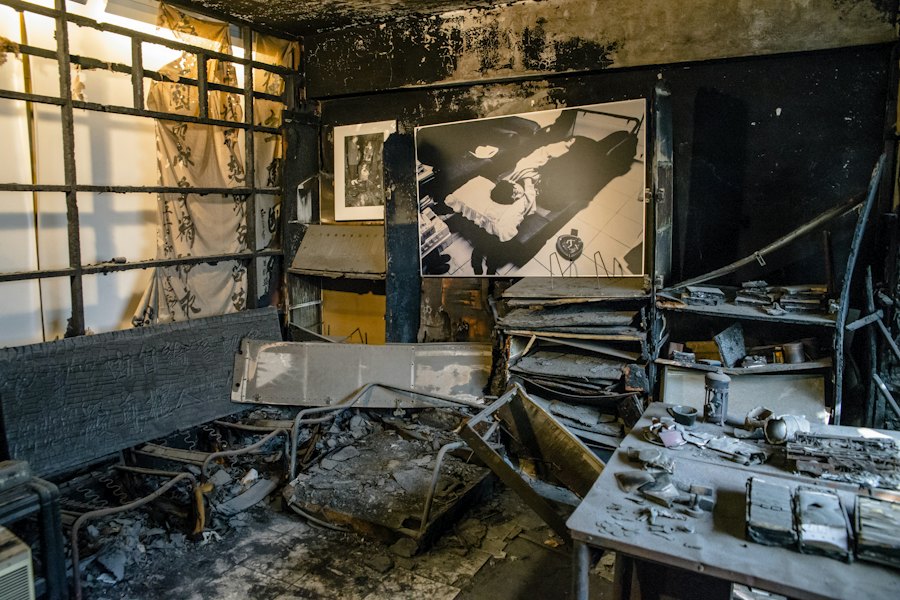
Smoke, Soot & Odor
Soot on every wall, furnace puffbacks and a smoke smell that won't leave. Cleaned and sealed for good.
Smoke damage →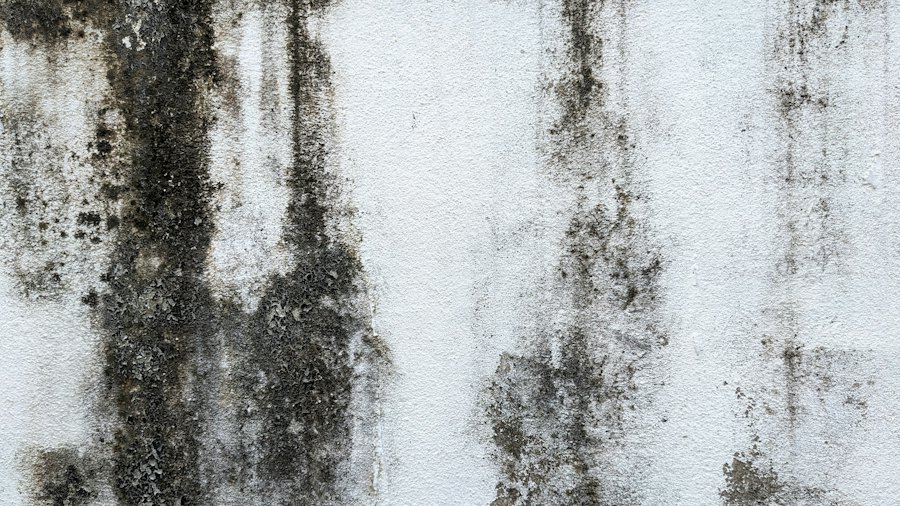
Mold Remediation
Musty smell, spots on the drywall, or mold behind a vanity. Containment, removal and fixing the moisture that caused it.
Mold remediation →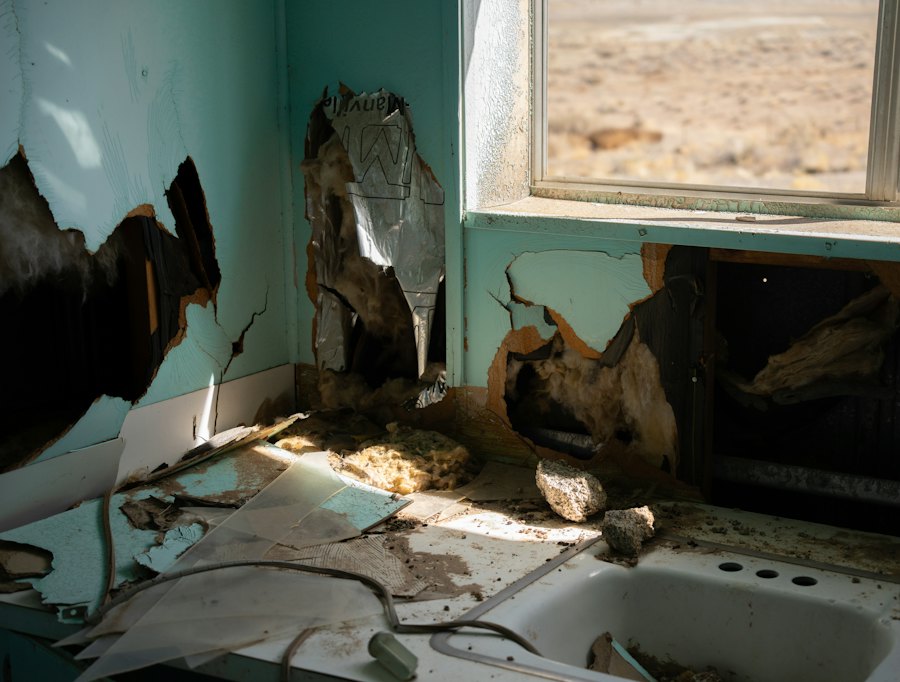
Sewage Cleanup
Sewer backups and toilet overflows are a health hazard. Protective gear, removal and disinfection.
Sewage cleanup →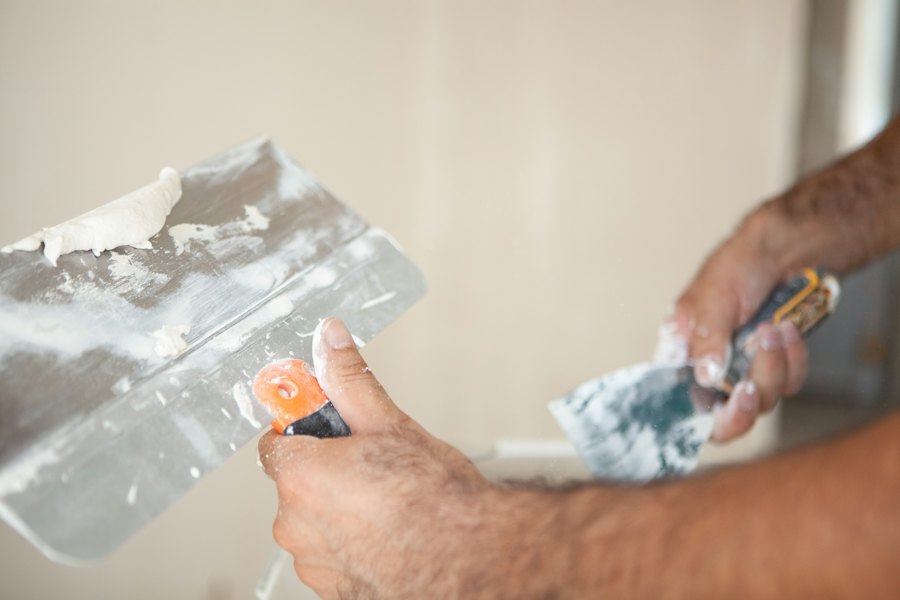
Full Home Restoration
Drywall, flooring, kitchens, baths, trim and paint. We put your home back together after any loss.
Full restoration →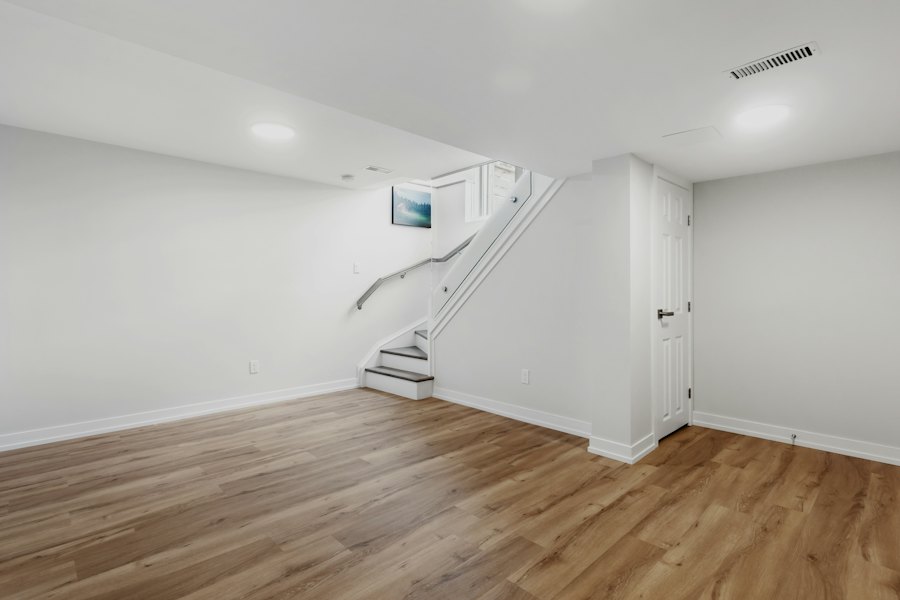
Insurance Claims
What's covered, what to document, and how we give your adjuster what they need.
Insurance claim help →Before & after
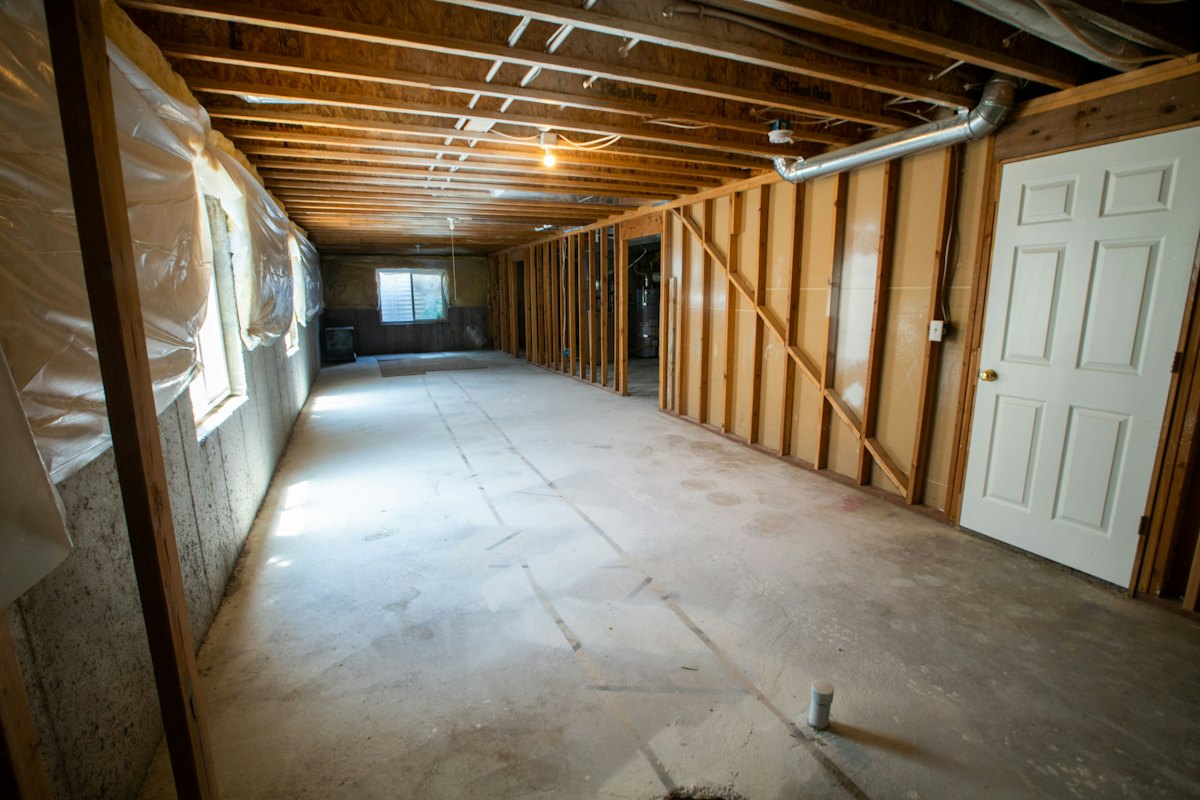
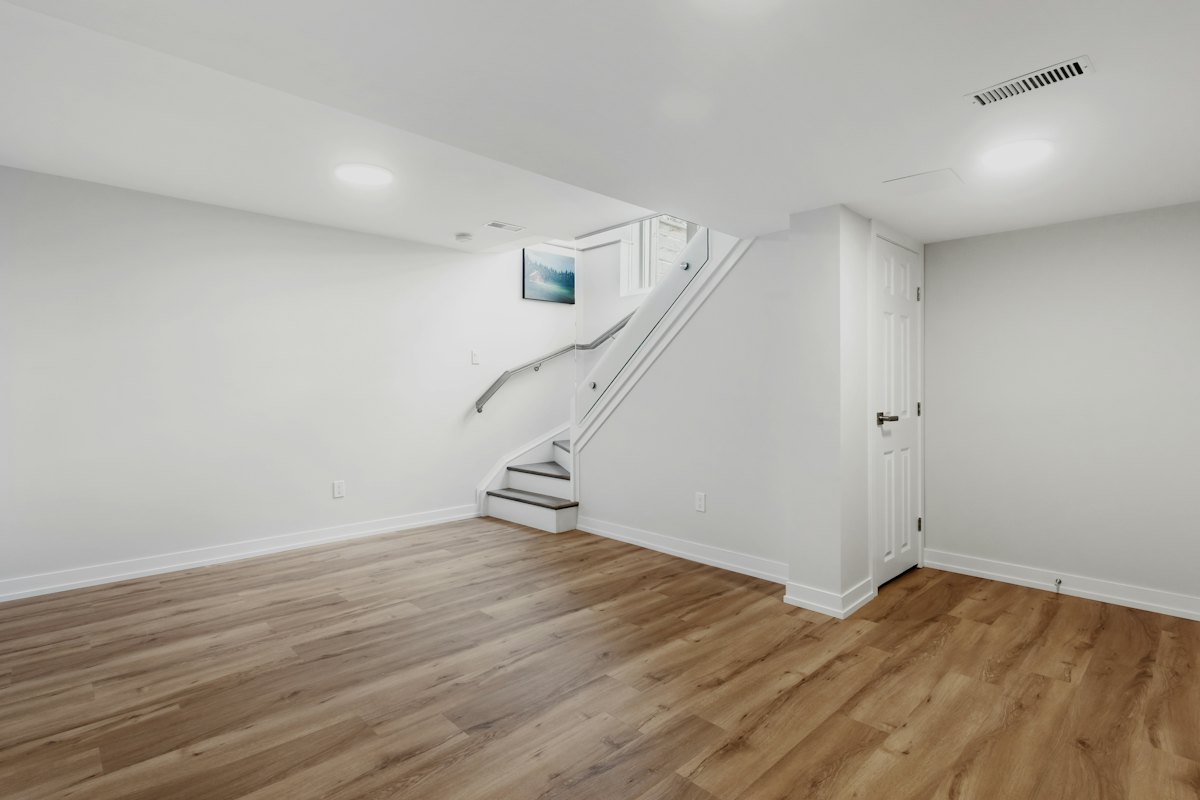
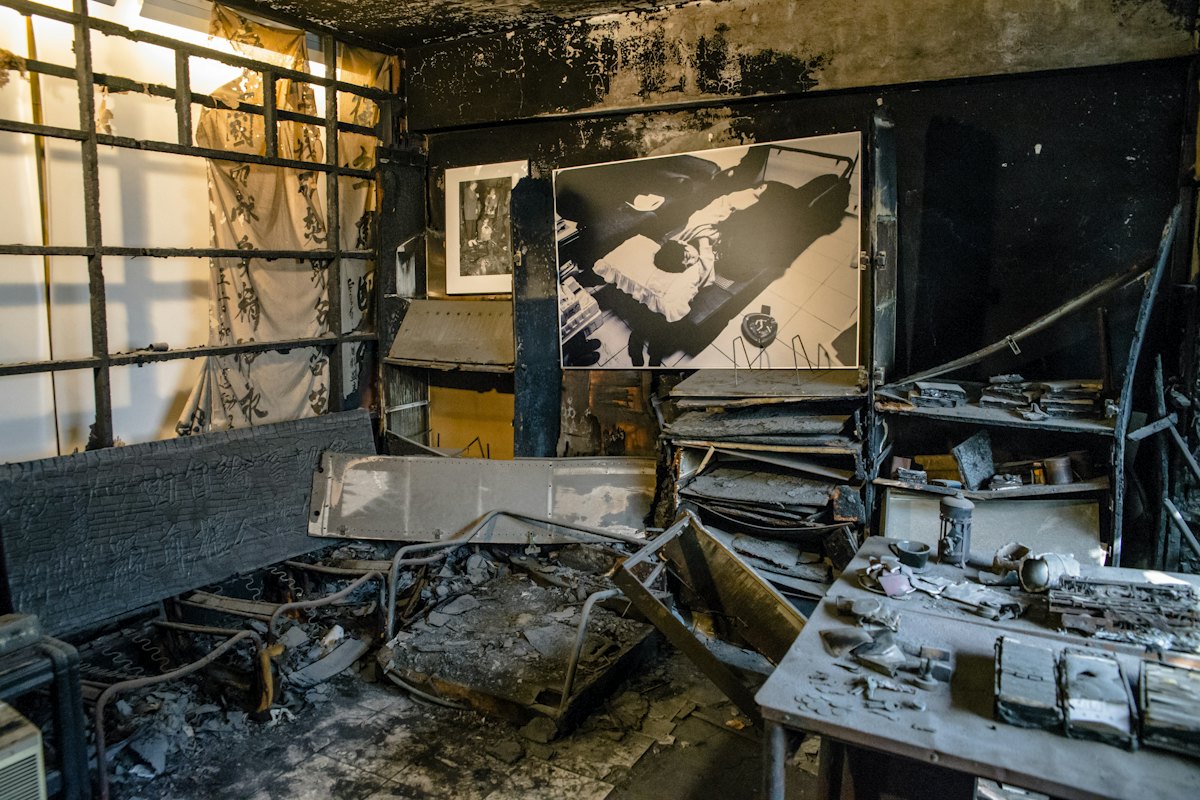
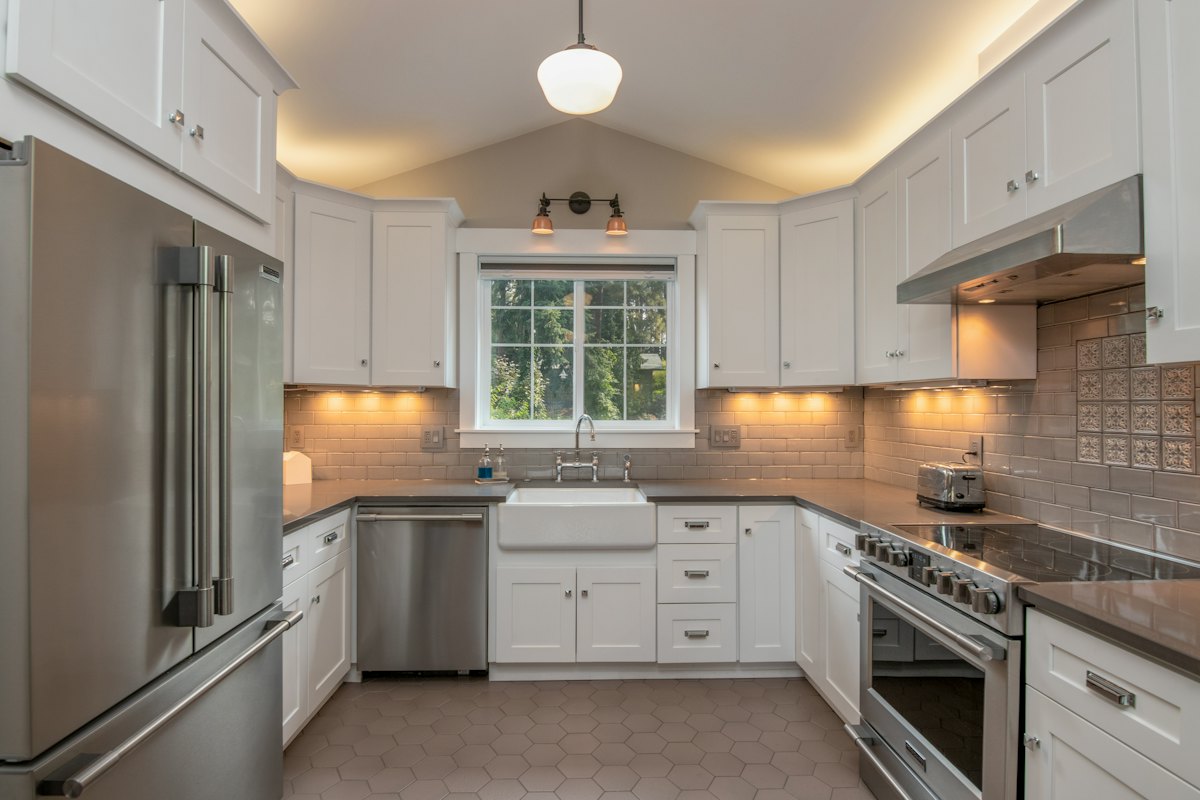
From damaged to done
Drag the slider to see what a full restoration looks like.
How a restoration job works
From the first call to a finished home
Knowing the steps makes a stressful week a little easier. Here's what to expect.
You call
Tell us what happened, how big the area is, and whether water is still coming in.
Inspect & document
Moisture meters, thermal cameras and photos map the damage, including what's hiding inside walls.
Stop the damage
Water is extracted, soot is cleaned, mold is contained, and ruined materials come out.
Dry & clean
Drying equipment runs with daily readings; surfaces are cleaned, disinfected and deodorized.
Rebuild
Drywall, flooring and finishes go back in, and your home looks like it did before.
Water damage restoration in central PA
The damage you can see is only part of it.
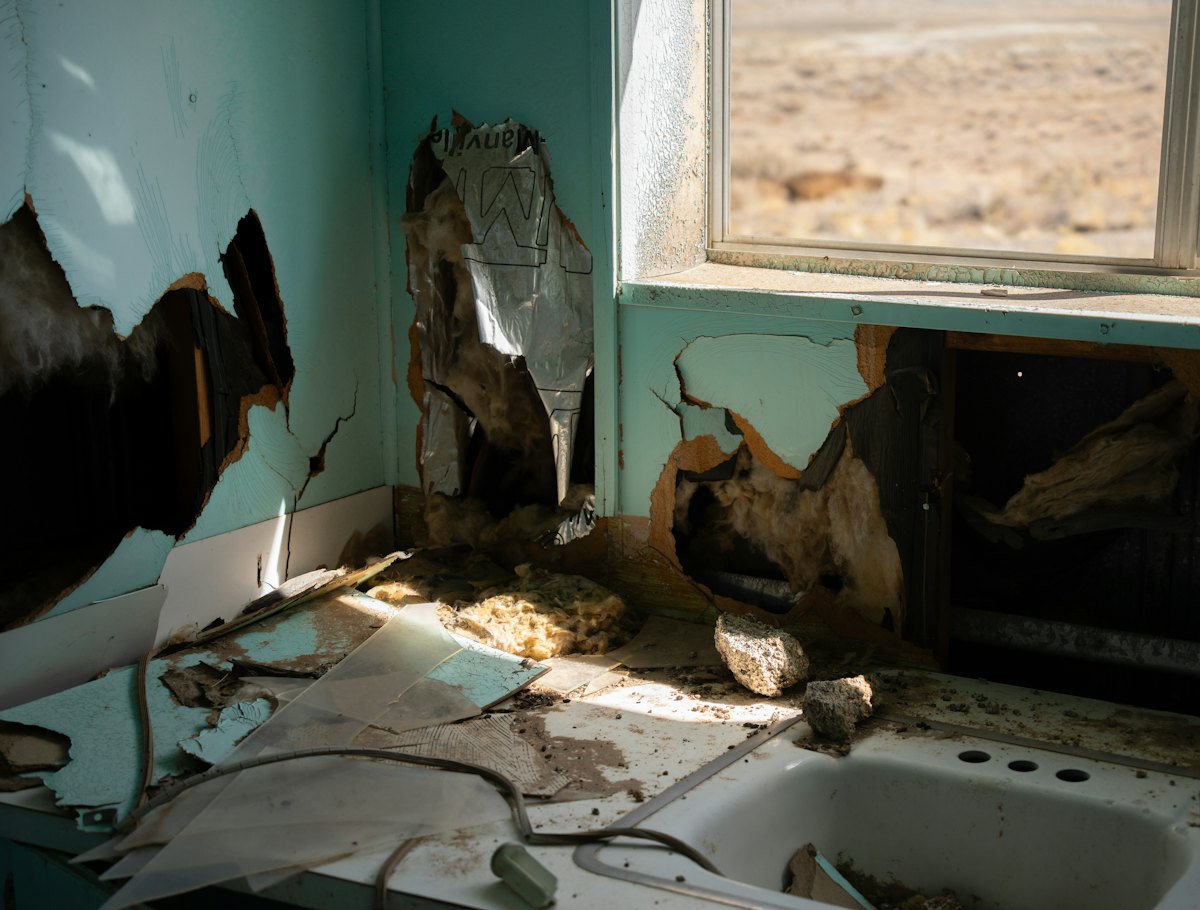
When a pipe bursts, the puddle on the floor is the easy part. Water runs under baseboards, wicks up drywall, soaks into the subfloor and settles into the insulation inside your walls. After a fire, smoke works its way into closets, ductwork and the attic. Clean up only what you can see and the rest keeps doing damage: warped floors, stained ceilings, lingering odor and mold.
Proper restoration finds all of it. A technician measures moisture around the visible damage, removes what can't be saved, and sets up drying or cleaning sized to the job. Equipment stays until the readings say the materials are back to normal, not just until things feel dry.
That's also what protects your insurance claim. Adjusters want to see where the damage went, what was removed and how it was handled. See our insurance claim guide.
Why central PA homes get damaged
Old foundations, hard winters and a lot of rivers.
Homes in Huntingdon, Blair and Centre counties run into the same few problems over and over.
A cold snap freezes a pipe in an outside wall or crawl space. The ice splits the pipe, and you find out when it thaws and starts spraying, often while you're at work or away for the weekend.
Many older homes in Huntingdon and Altoona sit on fieldstone or block foundations that were never built to be watertight. Heavy rain and spring snowmelt push groundwater straight through.
Wood and coal stoves, chimney creosote and oil furnace puffbacks cause fires and soot damage every winter, and firefighting leaves water damage on top of it.
Don't wait on these
Signs of hidden damage
- Brown rings on the ceilingOften a slow leak from a bathroom, roof or HVAC line above.
- Floors that feel soft or cuppedHardwood edges curling up, or vinyl lifting at the seams.
- A musty, earthy smellUsually means moisture has been sitting long enough to grow mold.
- Paint bubbling or peelingWater trapped behind the paint or drywall.
- Smoke smell that comes backOdor trapped in insulation, ducts or framing after a fire.
- Sump pump running constantlyOr not running at all when the basement floor is wet.
Where we work
Based in Huntingdon. Serving central Pennsylvania.
We're based in Huntingdon and cover all of Huntingdon County, plus Altoona and State College, each about 45 minutes away.
Huntingdon & Huntingdon County
Huntingdon borough, Smithfield Township, Mount Union, Alexandria, Petersburg, Mill Creek and homes and cabins around Raystown Lake.
About 45 minutes westAltoona & Blair County
Altoona, Hollidaysburg, Duncansville, Bellwood and Tyrone. Lots of older homes with stone basements and aging plumbing.
About 45 minutes northState College & Centre County
State College, Boalsburg, Pine Grove Mills, Bellefonte and the rental houses and apartments around Penn State.
Close by when it counts
Water damage restoration near me
Searching "water damage near me" at 2 a.m. with towels on the floor, you want someone close, not a national call center that hands the job to whoever's free. Keystone Reconstruction is based in Huntingdon, so Huntingdon County homes are our backyard, and the drive to Altoona or State College is a straight shot.
While you wait, the steps that matter most are simple. Shut off the water, keep people off wet floors near outlets, and get valuables off the floor. Our emergency page walks through the first hour.
Quick answers
Restoration questions
How fast does water damage need to be dried out?
As soon as possible. Drywall, carpet pad and wood start soaking up water within minutes, and mold can begin growing within 24 to 48 hours in a damp space. Starting extraction and drying the same day keeps more of your home salvageable.
Will my homeowners insurance cover it?
It depends on the cause. Most standard policies cover sudden, accidental water damage like a burst pipe, and fire is one of the most commonly covered losses. Flooding from rising water usually needs a separate flood policy, and sewer or sump pump backups often need an added endorsement. See our insurance claim guide.
Do you handle the rebuild too?
Yes. Once the home is dry and clean, we write up the repairs and rebuild: drywall, flooring, kitchens, baths and paint. See full home restoration.
Can I just use fans and a shop vac?
For a small spill on a hard floor, maybe. For anything that soaked into carpet, drywall or a subfloor, household fans rarely dry the hidden layers, and that trapped moisture is what leads to warped floors and mold later.
What should I ask before hiring a restoration company?
Ask whether their technicians hold IICRC certification, whether they're registered as a home improvement contractor with the Pennsylvania Attorney General, how they'll document the job for your insurance company, and who does the rebuild afterward.