Water extraction & dry outs
Get the water out. Then get it truly dry.
Extraction removes the water you can see. Structural drying removes the water you can't: the moisture soaked into drywall, framing, subfloors and insulation.
Step 1: Water extraction
Standing water comes out first, and fast. Depending on the job, that means submersible pumps for deep water in a basement, truck-mounted or portable extractors for carpet and hard floors, and weighted extraction tools that squeeze water out of carpet and pad. Pulling out as much water as possible up front can shave days off the drying time, because every gallon removed as liquid is a gallon the dehumidifiers don't have to pull out of the air.
Carpet pad acts like a sponge and almost always has to be removed once it's soaked. Carpet itself can sometimes be dried and saved if the water was clean and it's handled quickly.
Step 2: Finding all the moisture
Water travels sideways under flooring and climbs up drywall. A wall can look and feel fine while the bottom foot of it is saturated. Technicians use:
- Moisture meters to take readings in drywall, wood and subfloor
- Thermal imaging cameras to spot cool, damp areas behind walls and ceilings
- Hygrometers to measure humidity in the room and set the drying plan
The readings get mapped and photographed. That map becomes the plan for what to remove, where to put equipment, and how to show your insurance company the job was done right.
Step 3: Structural drying
Drying is a balance of airflow, dehumidification and heat. Air movers push dry air across wet surfaces so moisture evaporates. Commercial dehumidifiers pull that moisture out of the air so it doesn't settle back into the house. In wall cavities, small holes behind the baseboard or specialty drying systems can push air inside the wall instead of tearing it all out.
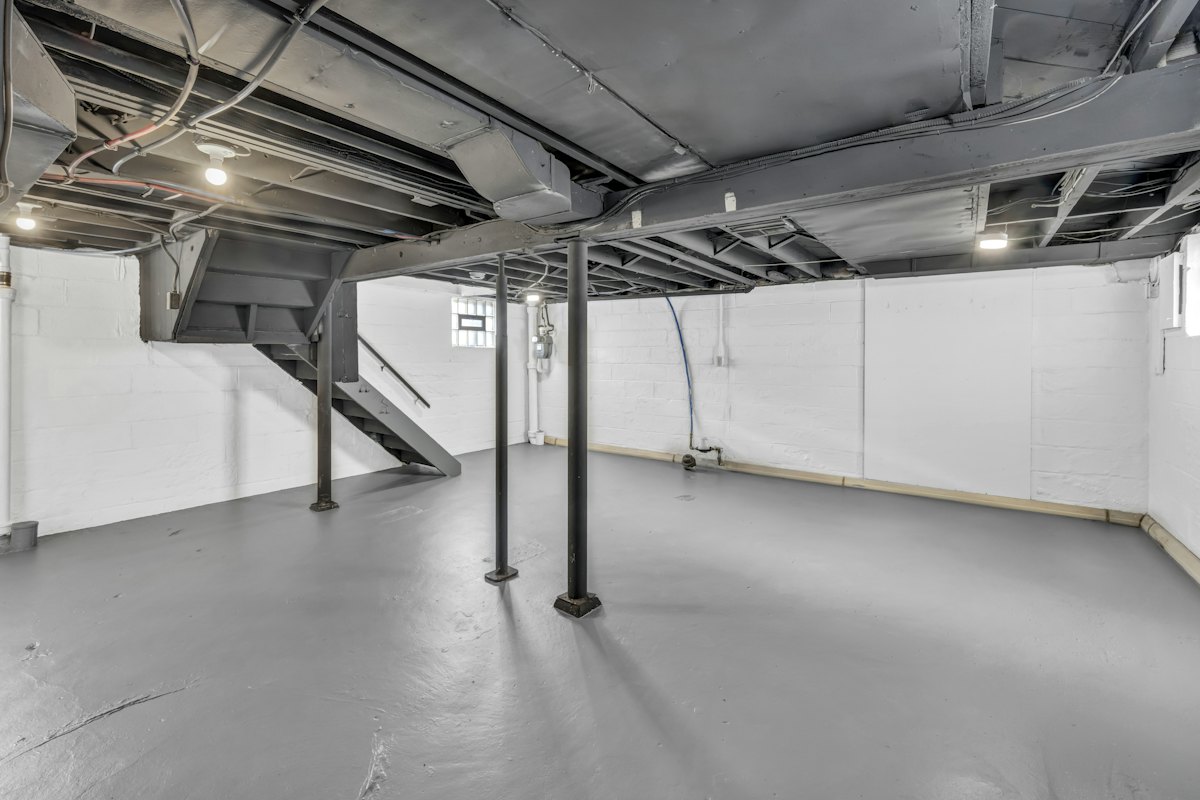
Plaster walls, common in older Huntingdon and Altoona homes, and hardwood floors dry more slowly than drywall and need more patience. Basements in our area are cool and damp to begin with, which makes the dehumidifiers more important than the fans.
Step 4: Daily readings until it's dry
A good drying job is checked every day. The technician re-reads the same spots, adjusts or moves equipment, and records the numbers. The equipment comes out when the materials reach normal moisture levels for your home, not after an arbitrary three days. Expect most rooms to take three to five days.
Why it matters: moisture trapped behind a wall or under a floor is what causes the cupped hardwood, the peeling paint and the musty smell that shows up a month later. It's also where mold starts.
After drying
Once everything is dry, anything that was removed (drywall, insulation, baseboard, flooring) gets put back. See restoration and rebuild.
Drying questions
What homeowners ask
Can I turn the equipment off at night?
Please don't. Drying runs on a schedule, and every hour off adds time. If the noise is a problem in a bedroom, ask the technician whether anything can be moved.
Does the equipment use a lot of electricity?
It does add to your bill. Dehumidifiers and air movers draw steady power for several days. Keep a copy of your electric bill, since some insurance policies reimburse the extra usage.
Do the walls have to be torn out?
Not always. Drywall that got clean water and was dried quickly can often be saved. Insulation that's soaked, drywall that's swollen or crumbling, and anything touched by sewage usually has to come out.