Fire damage restoration
After the fire trucks leave, we take it from here.
A house fire leaves three kinds of damage: what burned, the smoke and soot that spread through the whole house, and the water used to put it out. Restoration deals with all three, then rebuilds.
Wait for the fire department's OK before going back inside. Fire can weaken floors and roofs, and smoke residue is irritating to breathe. If the utilities were shut off, leave them off until they've been checked.
The first 48 hours after a fire
- Secure the house. Broken windows, holes in the roof and doors forced open by firefighters get boarded up and tarped, to keep out weather, animals and theft. Your insurance policy expects you to protect the property from further damage.
- Remove the water. Firefighting can leave thousands of gallons in the house. It soaks into floors, walls and the basement and needs the same extraction and drying as any flood.
- Stop the soot from setting. Soot is acidic. Within days it can permanently stain and etch surfaces like grout, countertops, metal fixtures and appliances. Early cleaning saves more of your belongings.
- Document everything for your insurance company before items are thrown out. See insurance claim help.
What fire damage restoration includes
Board-up and tarping
Emergency protection for the structure so no further damage happens while the claim gets started.
Debris removal and demolition
Burned and unsalvageable materials, like charred drywall, insulation, flooring and cabinets, are removed down to clean framing where needed.
Smoke and soot cleaning
Every surface the smoke reached gets cleaned, not only the room that burned. Smoke travels through ductwork, into closets and up into the attic. More on our smoke and soot page.
Contents pack-out and cleaning
Belongings that can be saved, like clothing, dishes, furniture, electronics and documents, can be inventoried, packed out, cleaned and stored while the house is repaired. The inventory doubles as your contents list for the insurance claim.
Odor removal
Smoke odor gets into wood, insulation and fabrics. Cleaning, then thermal fogging or hydroxyl treatment, then sealing affected framing with odor-blocking primer is what keeps the smell from coming back on the first humid day.
Reconstruction
Framing, drywall, electrical coordination, kitchens, flooring and paint. See full home restoration.
Common causes of house fires in central Pennsylvania
Cooking is the top cause of home fires nationally. Here, heating plays a big part too: wood and coal stoves, chimney fires from creosote buildup, space heaters and older electrical systems in homes built long before today's power demands. Furnace "puffbacks" from oil burners, common in rural homes, don't cause flames but can coat an entire house in oily soot in seconds.
Before & after
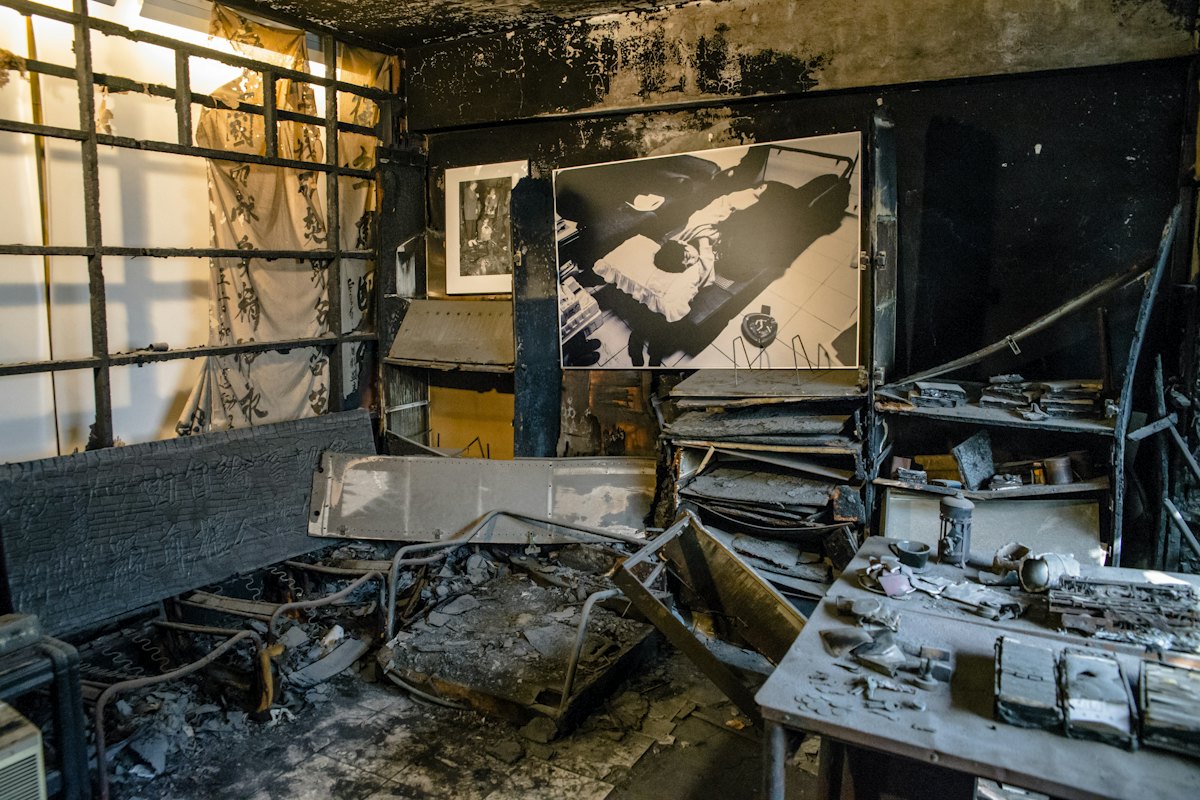
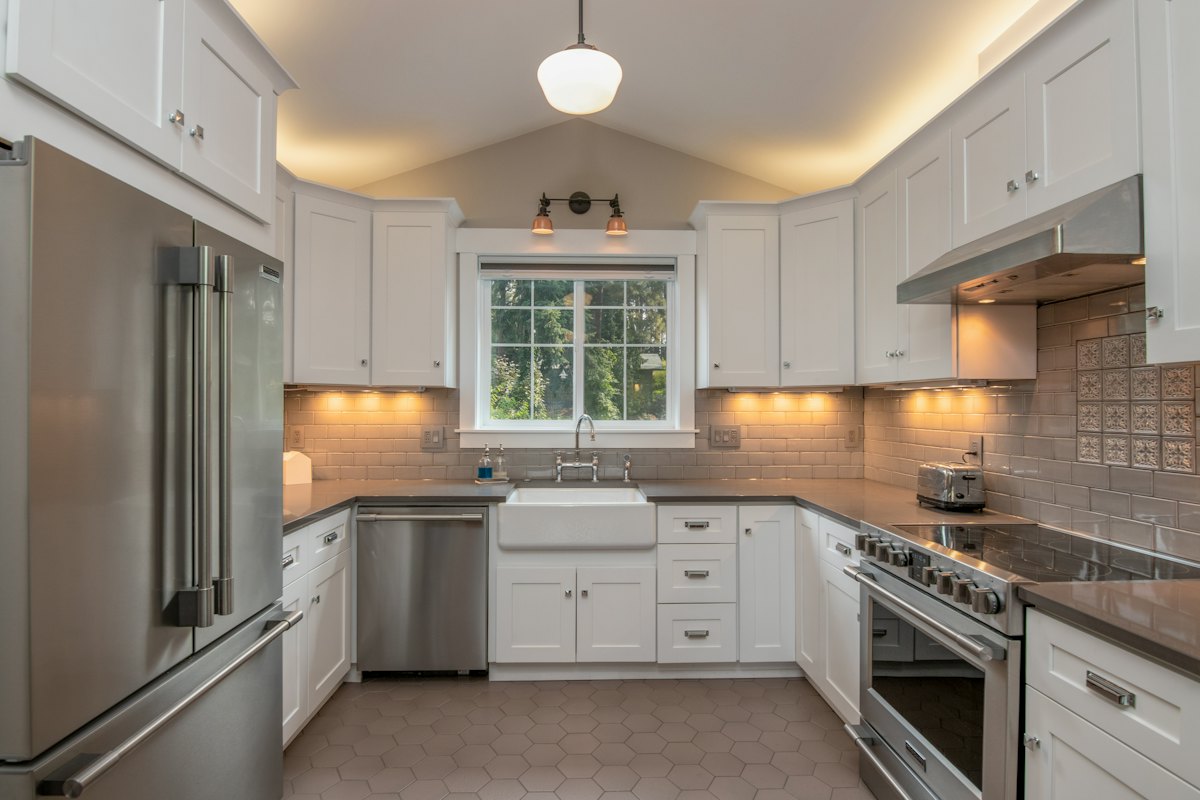
What fire restoration looks like
Can anything be saved after a fire?
Often more than people expect. Hard goods like dishes, metal and glass usually clean well. Many clothes and fabrics can be professionally cleaned to remove smoke odor. Items near the flames, or soaked by firefighting water for days, are less likely to be saved.
How long does fire restoration take?
Cleanup of a small kitchen fire can take a week or two. A larger fire that needs structural rebuilding can take several months, depending on the scope, permits and insurance approval.
Does homeowners insurance cover fire damage?
Fire is one of the most commonly covered losses on standard homeowners policies, including dwelling repairs, contents and additional living expenses while you're displaced. Check your policy limits, and keep receipts for hotels and meals.